Building a New Wastewater System From the Ground Up
Septic System Install in Billings for properties without access to municipal sewer lines
Andersen Sewer Service installs septic systems for residential and commercial properties that rely on on-site wastewater treatment instead of connecting to a public sewer. You need a new septic system when building a home in a rural area, replacing a failing system that cannot be repaired, or developing a property where municipal sewer service is not available. A properly installed septic system handles all the wastewater from your home or business and treats it safely on your property for decades when maintained correctly.
Septic system installation involves more than setting a tank in the ground. The process includes planning the layout based on soil conditions, property size, and daily wastewater volume, then excavating and placing the septic tank, connecting inlet and outlet lines, and building the drainfield where treated effluent is absorbed into the soil. Proper installation ensures wastewater flows correctly from your plumbing to the tank, solids settle and break down inside the tank, and liquid effluent moves through the drainfield without surfacing or contaminating groundwater.
If you are building on a property without sewer access or need to replace an old septic system, contact Anderson Sewer Service to discuss septic system installation in Billings and the surrounding area.
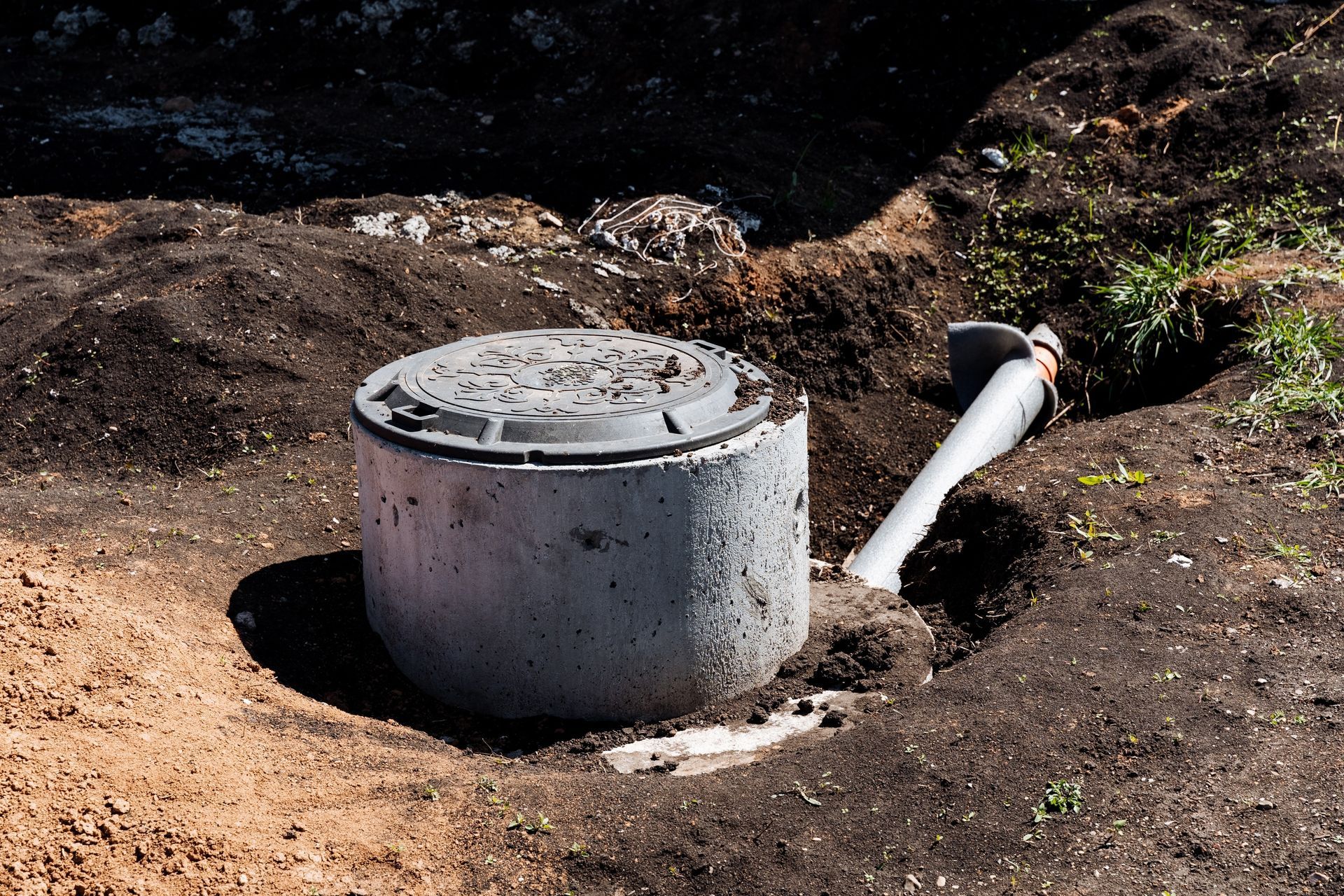
How Septic Systems Are Installed and Prepared for Use
When you schedule a septic system installation, the process begins with a site evaluation to determine soil permeability, groundwater depth, and the best location for the tank and drainfield. You provide information about household size, water use, and any site limitations such as slopes, wells, or property lines. The technician uses this information to design a system that meets your wastewater needs and complies with local regulations governing septic system placement and sizing.
After installation is complete, your plumbing is fully functional, wastewater flows out of your home and into the septic tank without backing up, and the drainfield absorbs effluent without visible pooling or odors. Anderson Sewer Service ensures the system is built for durability and efficient operation, so you can rely on it for long-term wastewater management. The technician explains how the system works, what maintenance it requires, and when the tank should be pumped for the first time.
Septic system installation includes tank placement, line connections, and drainfield construction, but it does not include building permits, soil testing, or utility locates, which are typically handled separately. The installation is complete when the system is connected to your home, all components are in place, and wastewater is being treated and dispersed correctly. Technicians confirm that the system is ready for use before leaving the site.
Common Questions About Septic System Installation
Installing a new septic system is a significant project, and understanding what is involved helps you prepare your property and plan for long-term system care.
What factors determine where a septic system can be installed?
The location depends on soil type, slope, distance from wells and property lines, and adequate space for both the tank and the drainfield to function without interference.
How long does a septic system installation take?
Installation typically takes several days depending on site conditions, system size, and weather, with most of the time spent excavating, setting the tank, and constructing the drainfield.
What size septic tank is needed for a residential property?
Tank size is based on the number of bedrooms in the home and estimated daily wastewater volume, with most residential systems using tanks between 1000 and 1500 gallons.
Why is soil testing important before septic installation in Billings?
Soil testing determines how quickly the ground can absorb effluent, which affects drainfield design and ensures the system will not flood or fail due to poor drainage.
When should a newly installed septic system be pumped for the first time?
Most systems should be inspected and pumped within three to five years after installation, depending on household size and water use patterns.
If you need a new septic system installed on your property, Andersen Sewer Service can design and build a system that handles your wastewater needs reliably. Get in touch to schedule a site evaluation and start planning your septic system installation in Billings.